Volume 15, Issue 10, October 2023 | |
|
"For any movement to gain momentum, one must start with a small action." ~ Adam Braun, founder of Pencils of Promise |
|
|
Though the year is beginning to wind down, here at AARCH we still have a lot of momentum. The quiet that descends after another busy tour season enables us to turn our attention more fully to other areas of our work, such as advocacy and research.
It is amazing to see how an organization that began with the efforts to save one property (Great Camp Santanoni) has grown over the years into a multifaceted collective of people and goals that span the Adirondack region and beyond. Our robust program offerings allow us to reach more people than ever in our tours, workshops, and webinars. Read on for a recap of our tour season, which took us on 35 adventures all over the region.
Our advocacy work remains as important as ever with properties like Debar Pond Lodge in danger. We recently conducted a visitor experience survey there in partnership with the Debar Pond Institute - read on for the results. How would you like to see the Saranac Lake Depot used? The New York State Department of Environmental Conservation has issued a request for suggestions below - check it out and submit your ideas!
We also look forward to announcing the grant recipients of the Adirondack Rural Revitalization Program soon, so stay tuned! In this issue: - Meet Our New President, Ed Hodges
- Debar Pond Lodge Survey Results
- Tour Season Reflections
-
Future of the Saranac Lake Depot
|
|
Check out the results of our recent Debar Pond Lodge survey here. |
Submit your ideas for the future use of the Saranac Lake Depot to the NYS Department of Environmental Conservation by November 3! |
|
|
MEET OUR NEW PRESIDENT, ED HODGES |
|
|
|
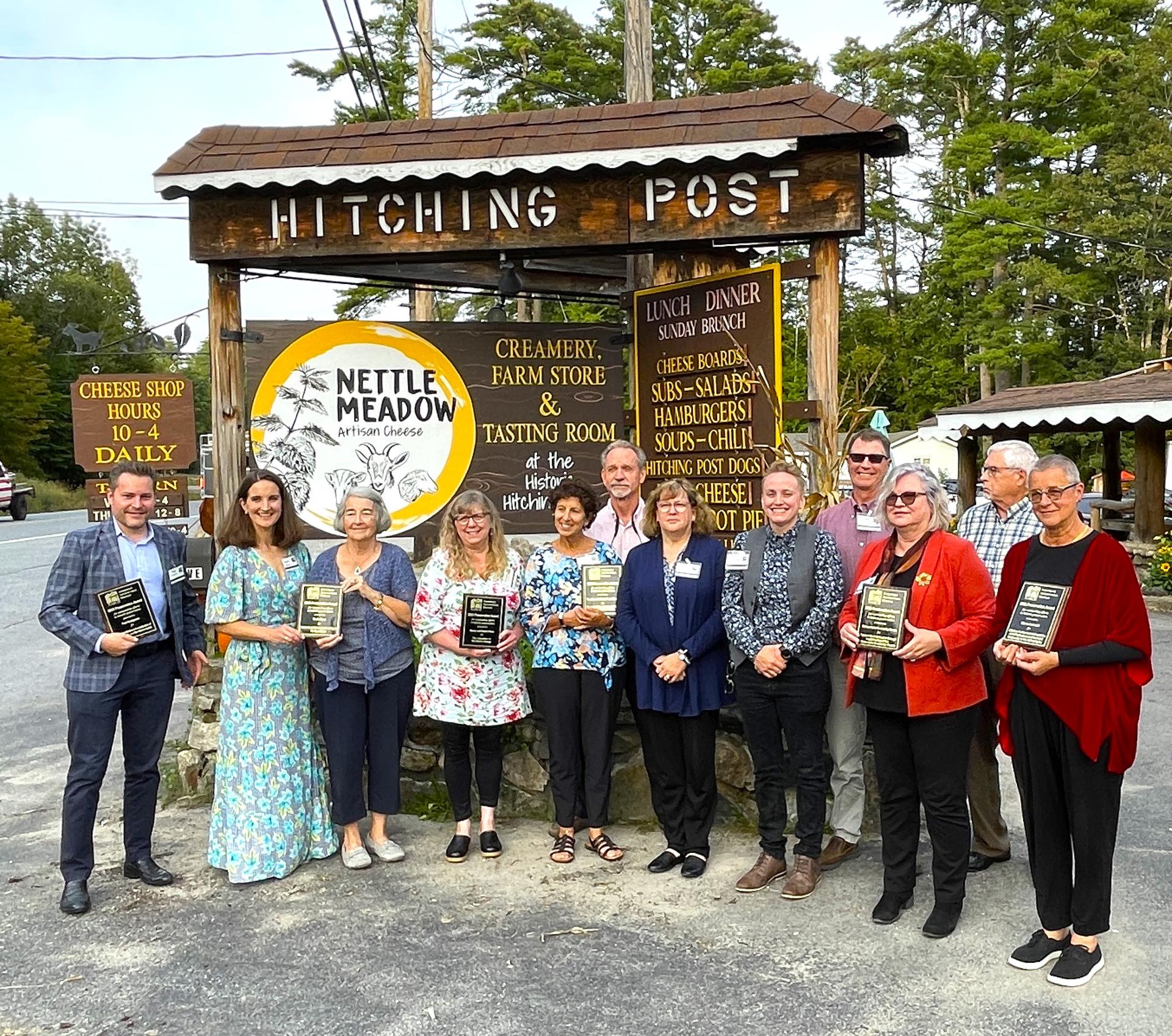
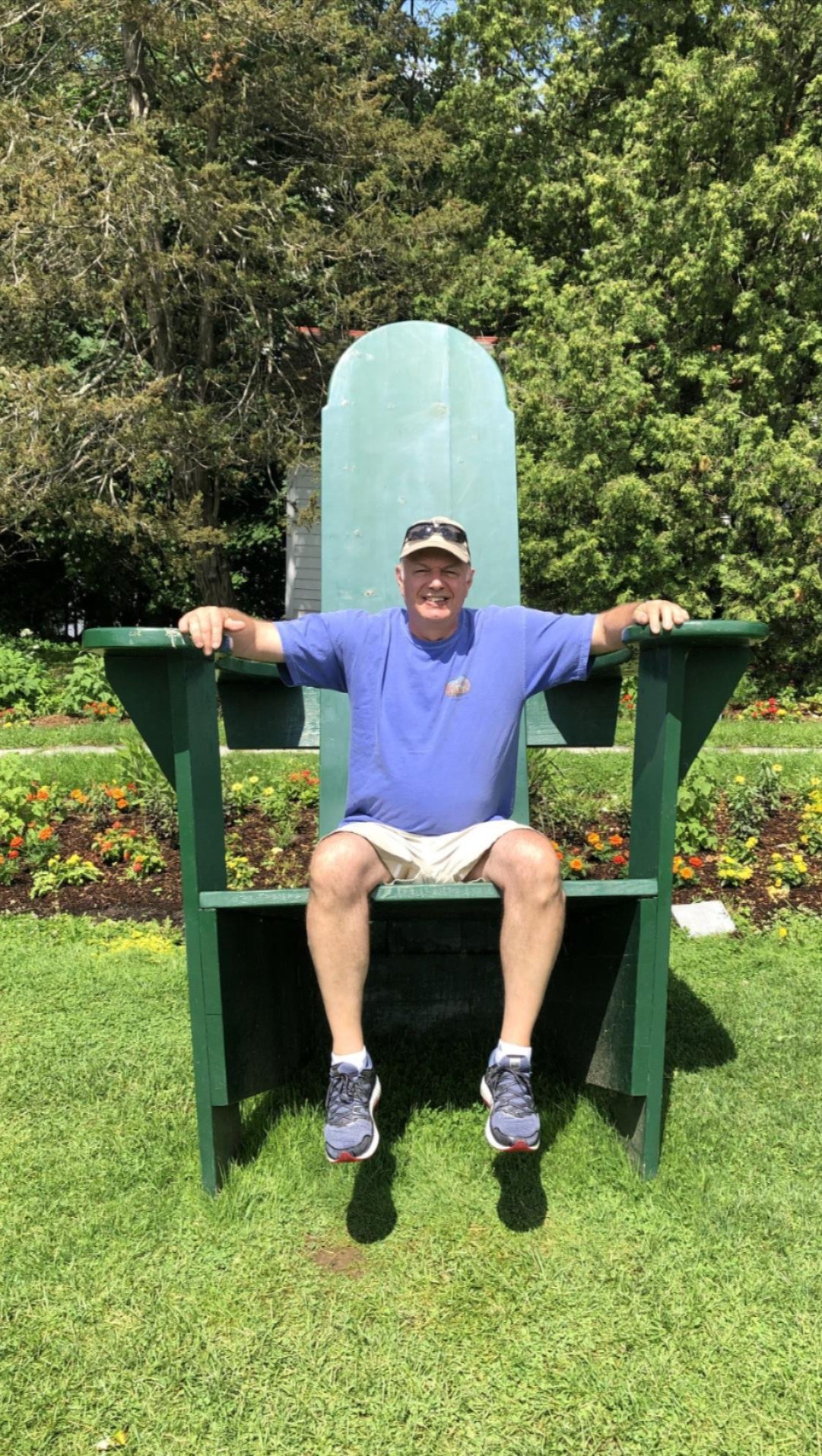
After four years of leadership by Dean Melville, we welcomed Ed Hodges as the new president of our board of directors in July. Ed joined AARCH as a member in 1995 and first joined our board in 2014. He rejoined the board as vice president in 2021 and was voted in as our new president this year.
We are excited to welcome Ed to the role of president as we continue our mission to promote better public understanding, appreciation, and stewardship of the Adirondacks’ unique and diverse architectural heritage. Like many of our members, Ed's path from Boston to the Adirondacks and AARCH was one of synchronicities and curiosity. Check out the blog post he wrote about his journey discovering the distinctive architecture of the Adirondacks and getting involved with AARCH.
|
|
|
VISITOR EXPERIENCE SURVEY AT DEBAR POND LODGE |
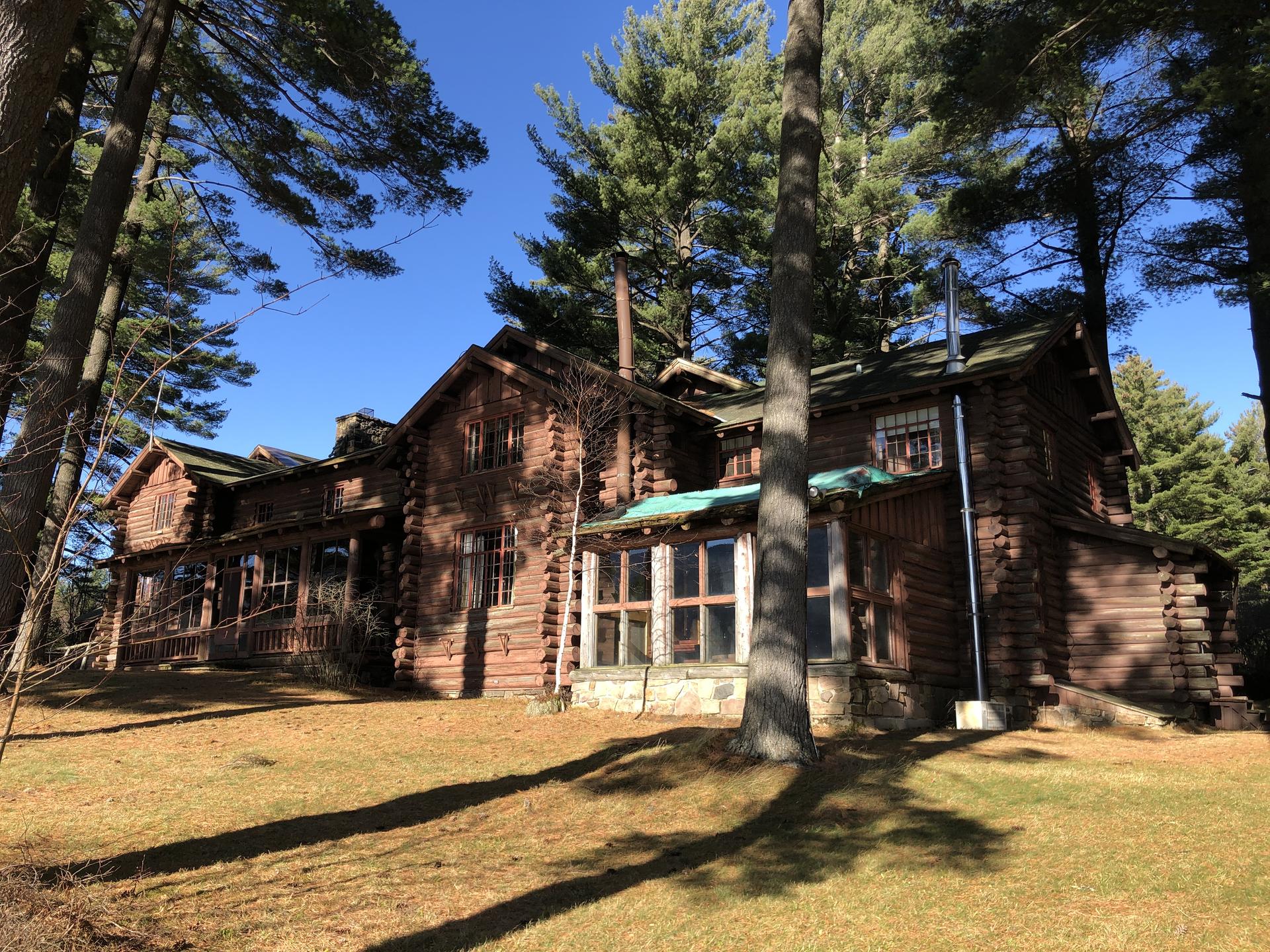
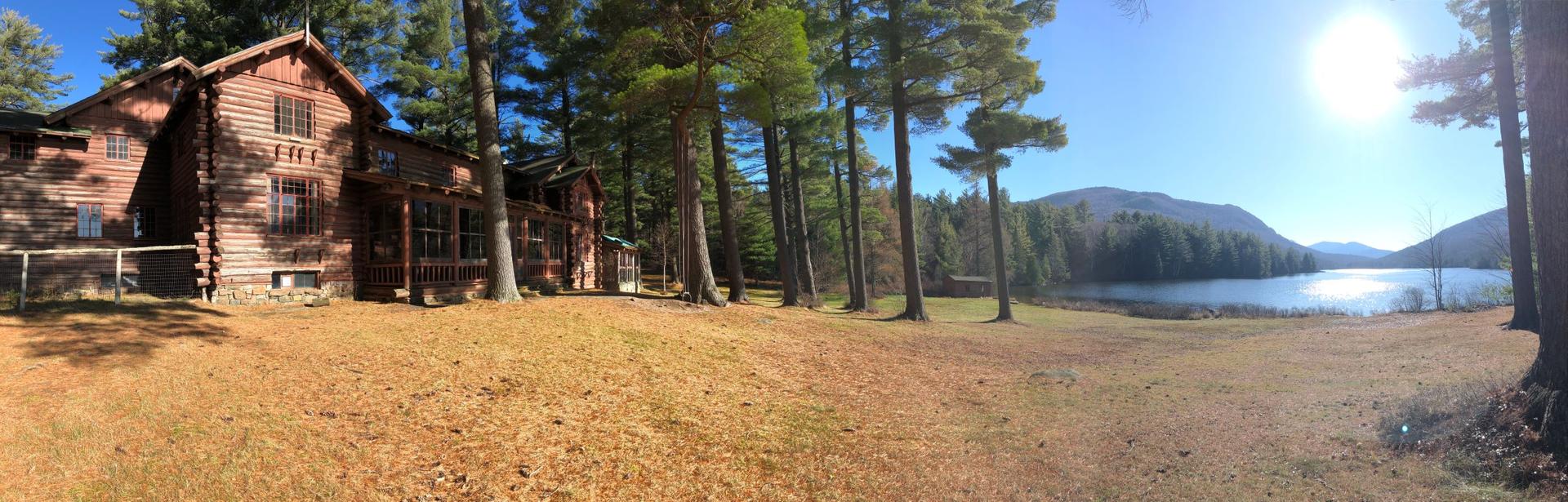
For the past three years, state legislators, local and regional government officials, state agencies, environmental and economic development groups, and others have deliberated over the future of historic Debar Pond Lodge. The 10-bedroom lodge and support buildings are located on State Forest Preserve land in the northern Adirondack town of Duane, Franklin County, and are listed on the National Register of Historic Places. We continue to advocate for a constitutional amendment that would transfer at least 400 acres of nearby land to the Adirondack Forest Preserve in exchange for six acres of land, including Debar Pond Lodge, which would go to the Debar Pond Institute, who would provide public programming and educational opportunities at the site.
We recently conducted a survey in partnership with the Debar Pond Institute to gauge the experience of visitors to Debar Pond Lodge. A total of 239 visitors completed the survey forms between July 29 and Labor Day, representing at least 75% of the total number of visitors those days. Respondents answered the following questions:
- How does the presence of Debar Pond Lodge affect your experience at Debar Pond?
- What is your preferred outcome for the site?
-
Would you support a land exchange amendment that preserves Debar Pond Lodge?
In response, 97% of visitors felt the building enhanced the experience and believed it should be preserved. 98% would support the legislation. These results illustrate the observations of Howard Kirschenbaum, President of Debar Pond Institute, who said, “Visitors who see the historic Lodge in its beautiful setting see how architecture and nature can be mutually enhancing. We can save and use the historic buildings and also preserve the natural setting.” See the full results of the survey here. |
|
|
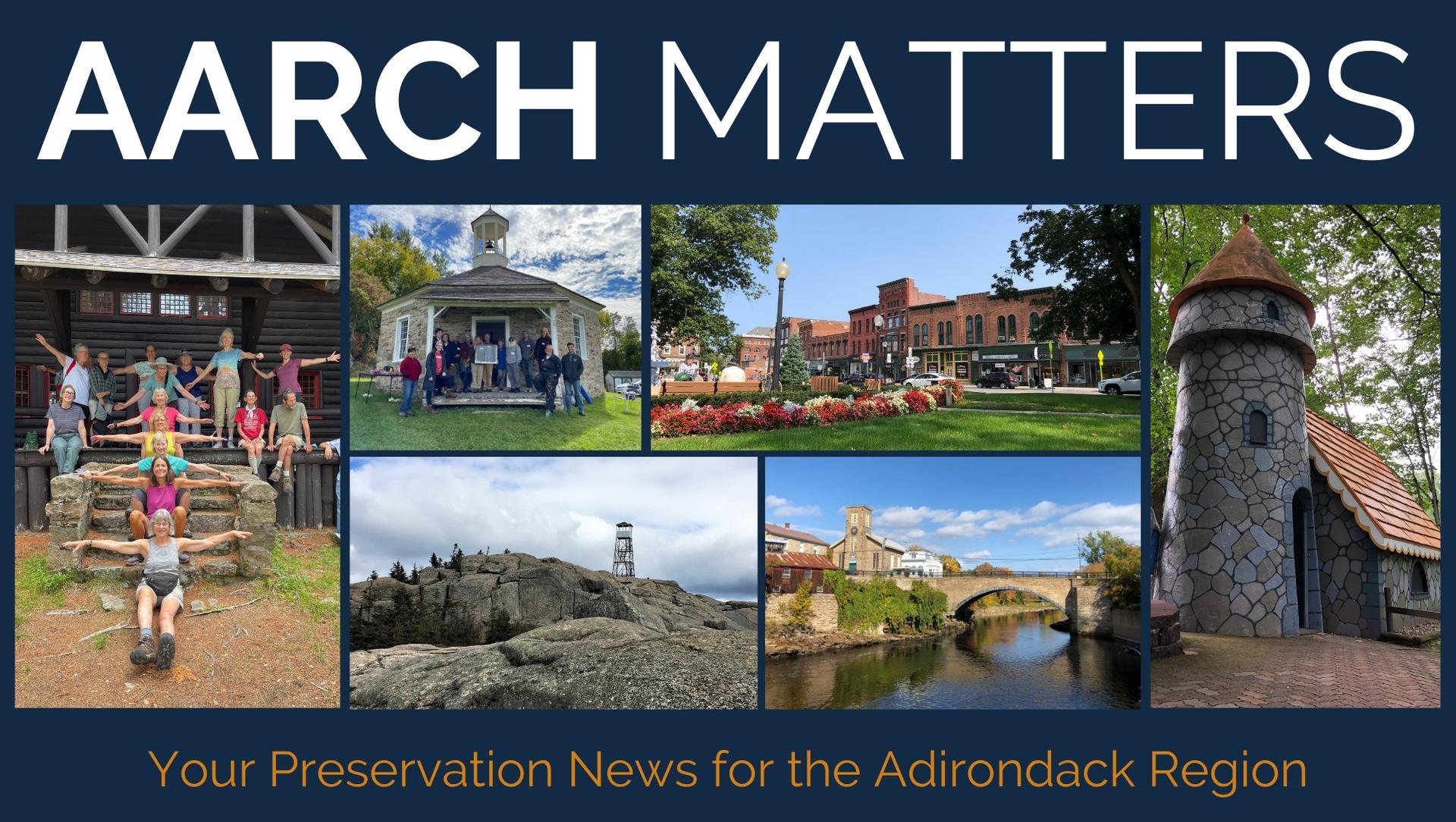
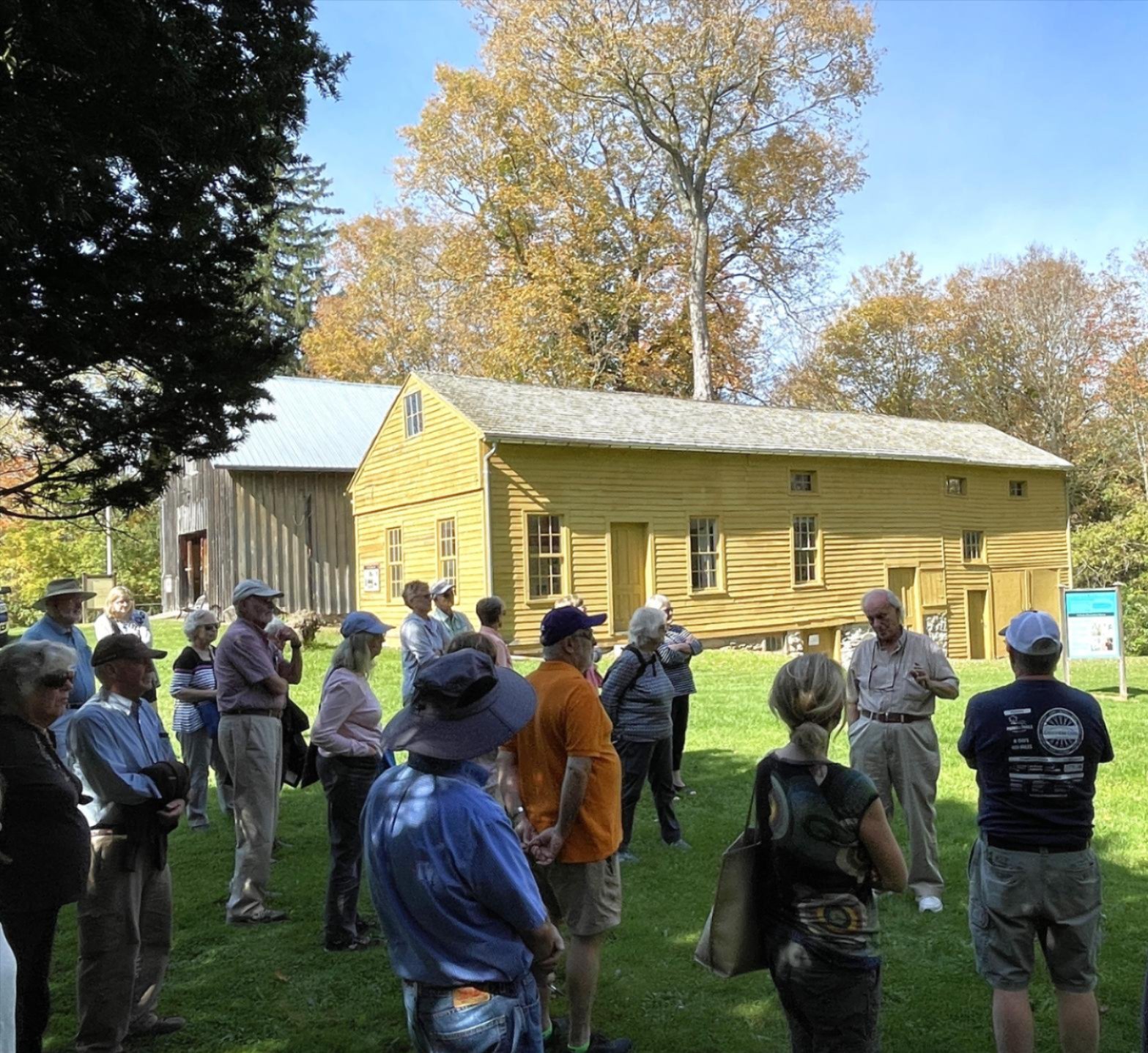
Thank you to everyone who joined us this year for tours and workshops across the Adirondack region! This year, we explored the architecture and communities of the Adirondacks and beyond with more than 450 people.
We kicked off the season in late spring with some hands-on programs, including a new birding expedition at Camp Santanoni in May and our second lime plaster workshop at the Graves Mansion in Au Sable Forks in June. From there, we explored the heritage of the Black River Valley with the communities of Lowville and Watertown. Back in Keeseville, we continued our popular Small Farms Rising tour and debuted our new "Welcome to Keeseville" coloring book at the Keeseville Community Arts Festival.
This summer, we also revisited classic AARCH tours in the communities of Big Moose and Raquette Lake, admiring the distinctive rustic architecture of the Adirondacks. While we love great camps, we also enjoy highlighting other places that make our region special. This year, these included: a tour of some of Friends Lake's most notable buildings (our most in-demand program!); an exclusive peak inside the Cold War missile silo in Lewis; and paddling along the Champlain Canal in Whitehall, which celebrated the 200th anniversary of its opening this year. Beyond the blue line of the Adirondack Park, we explored the region's connections to other areas of the state in Albany and Peterboro.
We could not share all these places and stories with you without the incredible generosity and enthusiasm of our tour partners, hosts, and leaders, who kindly take the time to welcome us into their homes and communities. Thank you to everyone who made this year's programs possible and joined us on our adventures - we hope to see you again next season! |
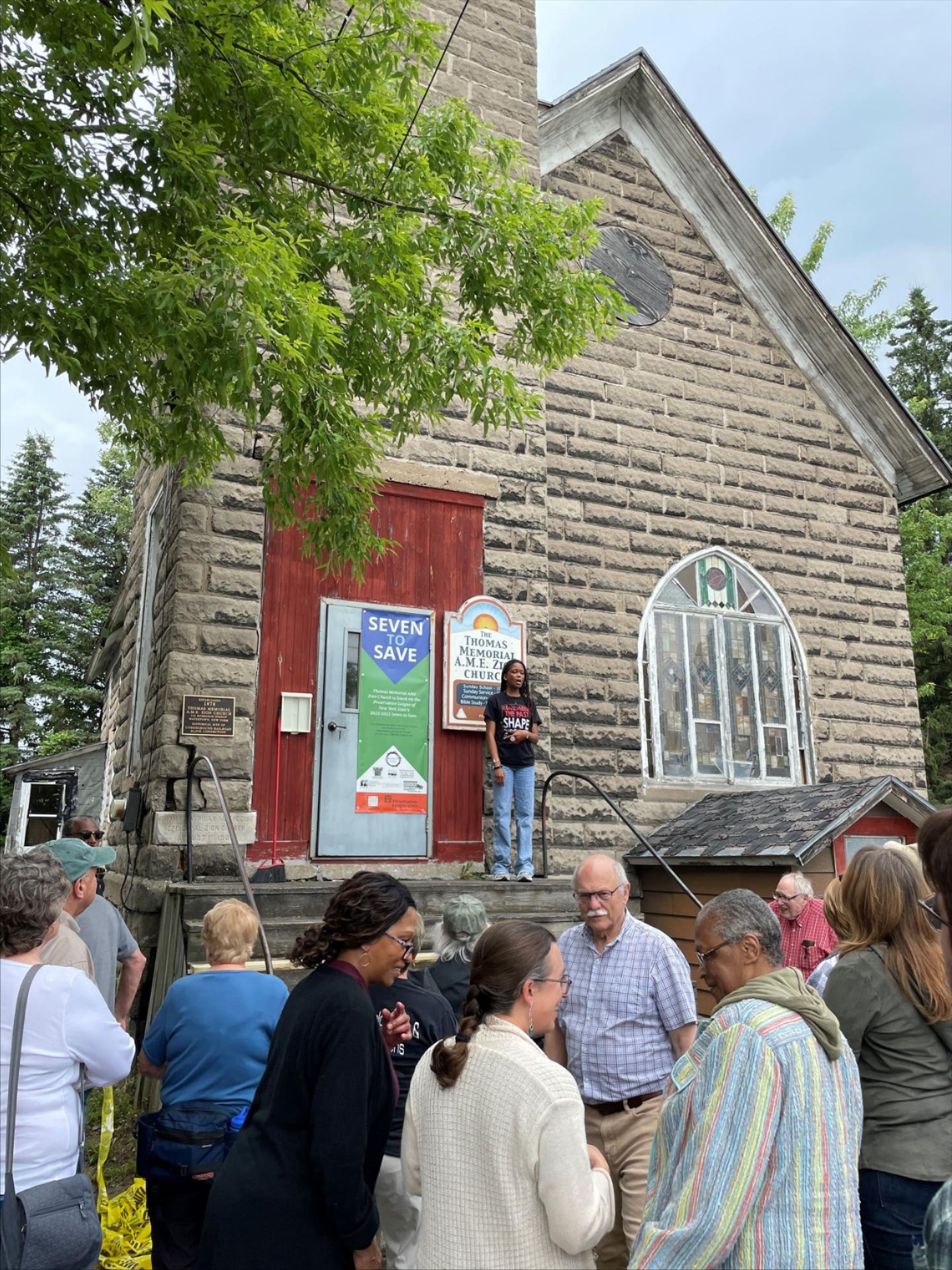
| AME Zion Church, Watertown |
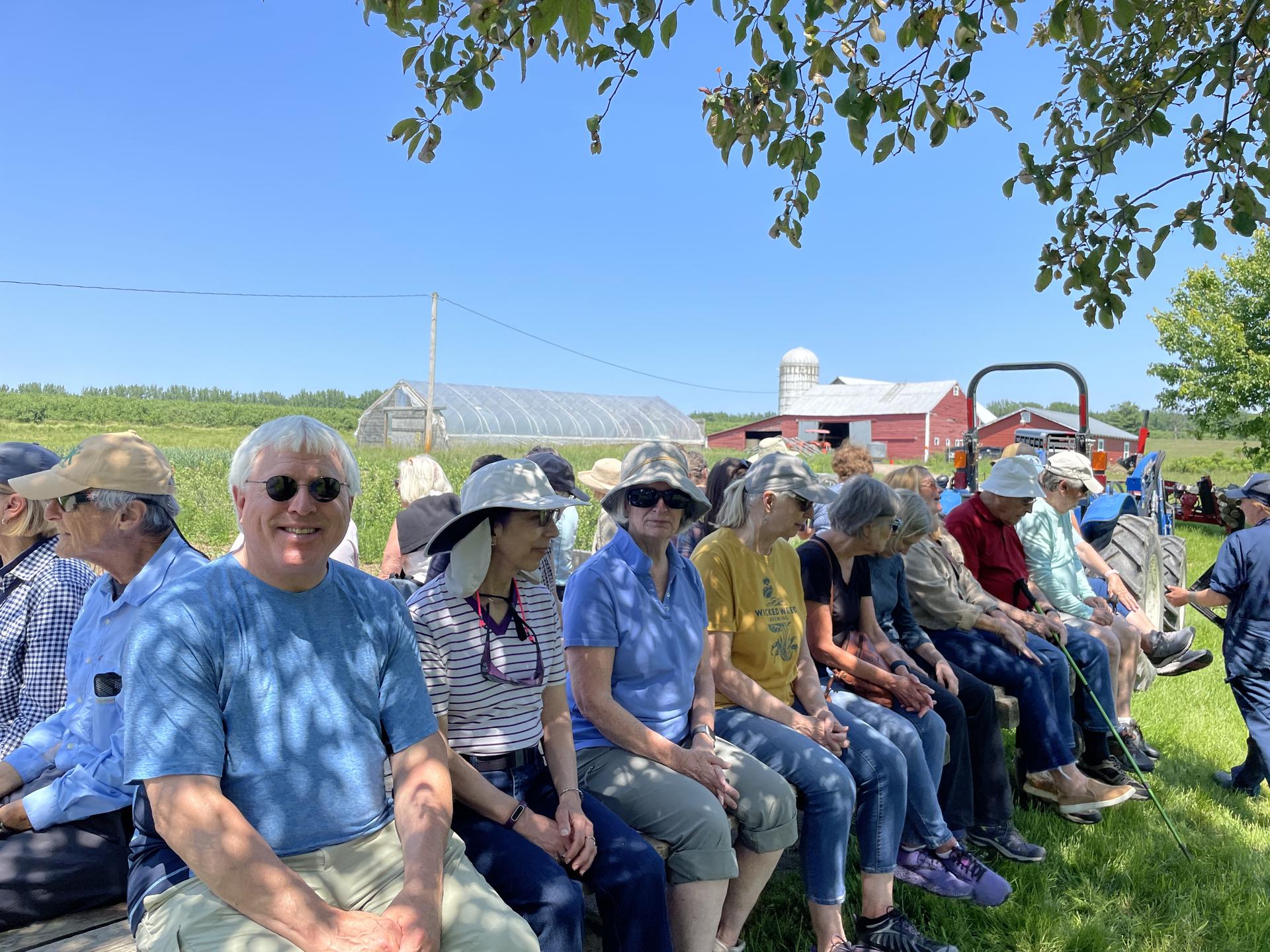
Mace Chasm Farm, Keeseville |
Laundry at Gerrit Smith Estate, Peterboro |
|
|
WHAT SHOULD THE SARANAC LAKE DEPOT BE? |
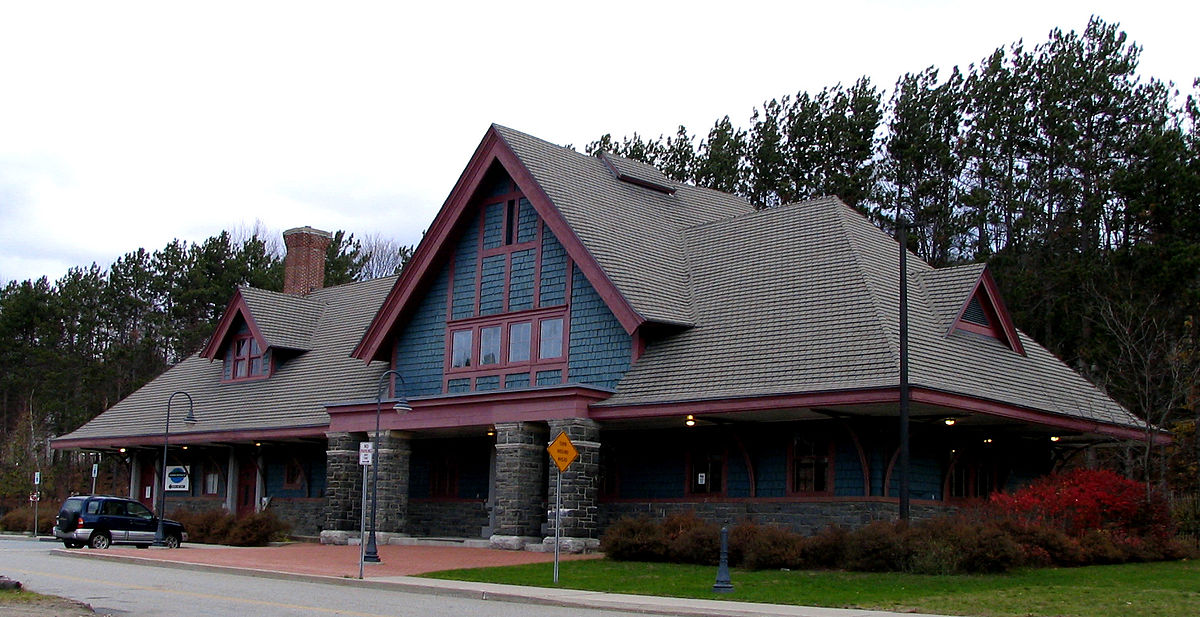
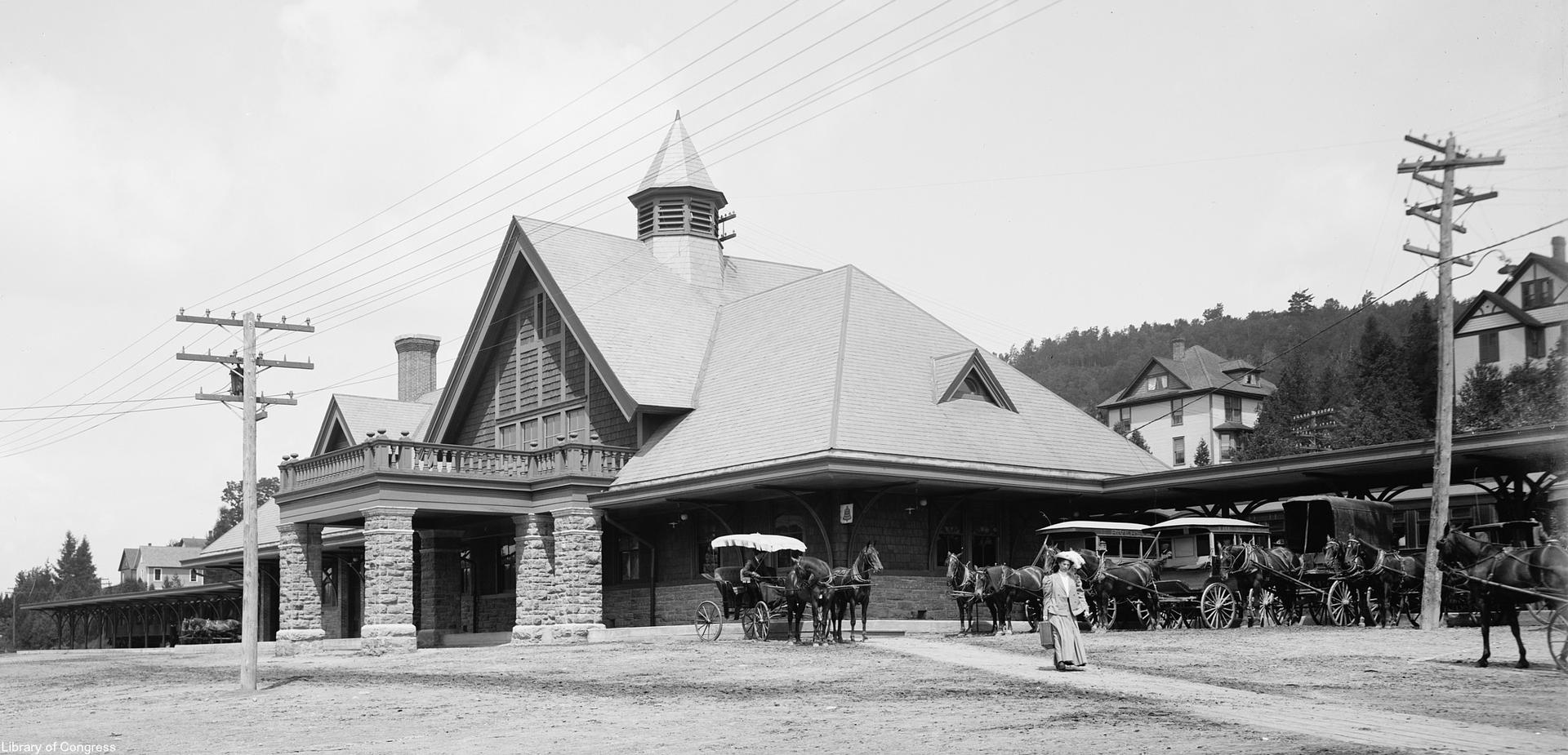
How would you like to see the historic train depot in downtown Saranac Lake used? The New York State Department of Environmental Conservation (DEC) has issued a Request for Information, inviting the public to submit ideas and plans for the future use of the Saranac Lake Depot, which is located on the new Adirondack Rail Trail, a 34-mile multi-use trail connecting the villages of Tupper Lake, Saranac Lake, and Lake Placid.
The depot is a major gateway for public access to the rail trail and the DEC is seeking ideas for ways to preserve and interpret the building that complement the rail trail. The first phase of the trail connecting Saranac Lake and Lake Placid is scheduled to open for year-round public use later this year, with subsequent phases opening in 2024 and 2025. The rail trail is designed for walking, running, cycling, snowmobiling, cross-country skiing, and snowshoeing. The trail will be open to the public all day, year-round once complete. DEC Region 5 Director Joe Zalewski said, "We hope to hear from a wide range of diverse stakeholders about how this historical landmark could be used to ensure it has a prominent place in the region's future."
Let the DEC know how you think the Saranac Lake Depot should be used! RFI submissions will be accepted through November 3, 2023. RFI submissions, questions, and tour requests should be sent to Comment.DepotRFI@dec.ny.gov. Read the RFI here and check out the Adirondack Rail Trail page for more information.
|
Saranac Lake Depot circa 1909, photo courtesy of Library of Congress. |
|
|
Sign up for our newsletter to get AARCH Matters in your inbox every month! |
| |
|
| A world of AARCH exists online. Join us there! |
| |
|
Adirondack Architectural Heritage 1745 Main Street, Keeseville, NY 12944 | info@aarch.org | 518.834.9328
Preserving the architecture and communities of the Adirondack region through education, action, and advocacy. |
|
|
|
Our publications are made possible, in part, through the generous support of the New York State Council on the Arts, Architecture + Design Program. |
|
|
| Our Contact Information
*{{Organization Name}}*
*{{Organization Address}}*
*{{Organization Phone}}*
*{{Organization Website}}*
*{{Unsubscribe}}* |
|
|
|